

Undergoing an operation disrupts the human body. The trauma leaves tissues damaged, muscles weakened, and joints stiff. Patients face a long road back to baseline health. The immediate aftermath involves resting and managing pain. However, prolonged inactivity creates negative consequences. Bed rest leads to severe muscle loss and decreased cardiovascular endurance. Patients need a structured path to regain their capabilities without jeopardizing the surgical repair.
Movement serves as medicine during this critical period. Guided rehabilitation transforms a stagnant healing process into an active journey toward wellness. Dedicated professionals assess individual needs and craft tailored exercise regimens. By participating in physical therapy rehabs, patients expedite their return to daily activities. These specialized environments offer the tools and expertise necessary for profound healing. Engaging in supervised exercises maximizes functional outcomes and minimizes future injuries.
Restoring Mobility Through Guided Movement
Surgery forces patients to immobilize specific body parts. This immobilization causes surrounding tissues to tighten and joints to lose their natural flexibility. Scar tissue forms as a biological response to surgical trauma. While scar tissue aids structural repair, it restricts the ability to bend or stretch. Without intervention, this stiffness becomes permanent and hinders everyday tasks. Restoring range of motion demands deliberate and consistent effort.
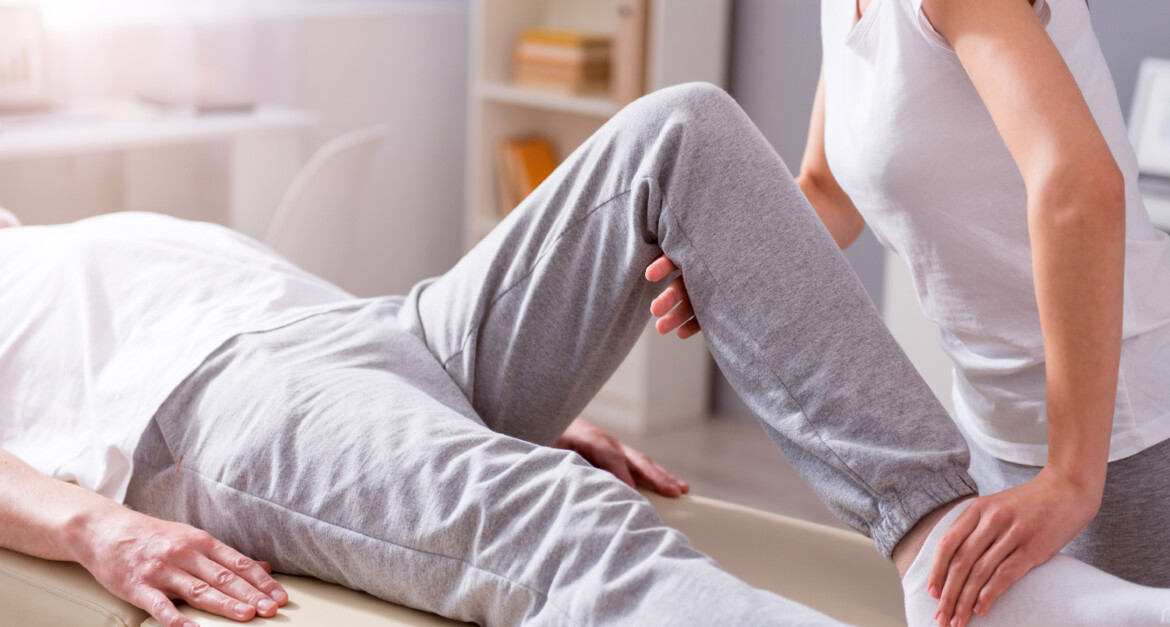
Trained experts in short-term physical therapy rehabs address these exact mobility deficits. They understand the intricate mechanics of human anatomy. Therapists introduce gentle stretching exercises to elongate shortened muscles. These specific movements coax the body out of its guarded state. Patients learn to perform exercises that target the affected joints. The process involves slow actions that push the boundaries of current flexibility without causing harm.
Joint mobilization techniques enhance this progress. Therapists apply manual forces to glide and roll joint surfaces. These passive movements mimic normal joint mechanics and lubricate the articular cartilage. Improved joint lubrication decreases friction and allows for smoother movement. Patients notice a steady increase in their ability to reach and bend. The surrounding connective tissues adapt to the increased demands, becoming more pliable over time.
Maintaining this new mobility requires ongoing dedication. Therapists educate individuals on maintaining proper posture and body mechanics. Bad habits develop when people compensate for pain or stiffness. Identifying and correcting these compensatory patterns prevents secondary complications. Patients receive comprehensive home exercise programs to sustain their progress. Consistent practice ensures the joints remain supple and the muscles retain their elasticity.
Rebuilding Strength Through Resistance Training
A significant consequence of surgery involves the rapid deterioration of muscle mass. When a limb remains inactive, the muscles atrophy. This weakness creates instability and makes weight-bearing activities difficult. Regaining strength is paramount for returning to work or recreational pursuits. The body must rebuild the muscular support system around the operative site. This rebuilding phase requires progressive challenges to stimulate muscle growth.
The growing demand for these crucial services reflects their immense value. According to The Business Research Company, the physical therapy market grew from $27.89 billion in 2024 to $29.95 billion in 2025 at a compound annual growth rate (CAGR) of 7.4%. This expansion highlights the universal need for structured recovery programs. Patients recognize the importance of professional guidance in overcoming postoperative weakness.
Rehabilitation specialists implement targeted resistance training to combat atrophy. In physical therapy rehabs, patients utilize various tools to challenge their muscles. Elastic bands provide variable resistance throughout the range of motion. Light weights introduce a gravitational challenge to specific muscle groups. Therapists select the appropriate resistance level to ensure safety and effectiveness. The exercises isolate weakened muscles and force them to adapt and grow stronger.
As strength improves, the exercises become more complex and demanding. Therapists incorporate functional movements that mimic daily activities. Squatting, lifting, and pushing exercises prepare the body for real-world tasks. The focus shifts from isolated muscle contractions to coordinated actions across multiple joints. This functional approach ensures the acquired strength translates into practical abilities. Patients regain the power needed to climb stairs or carry groceries.
Managing Discomfort Through Manual Techniques
Pain management represents a major obstacle during the initial recovery phase. Surgical trauma triggers inflammatory responses, causing swelling and intense discomfort. Relying on pharmaceutical interventions presents risks of dependency and side effects. A holistic approach to pain control is vital for sustained progress. Non-invasive strategies mitigate suffering and promote a more comfortable healing environment. Patients need alternative methods to cope with postoperative aches.
Skilled clinicians in physical therapy rehabs utilize hands-on techniques to alleviate pain. Soft tissue mobilization targets tight muscles and fascial restrictions. Therapists apply targeted pressure to release trigger points and reduce muscle spasms. These manual interventions soothe the nervous system and decrease the perception of pain. Patients experience immediate relief from the constant ache associated with healing tissues. The physical touch provides a therapeutic benefit.
Fluid accumulation exacerbates pain and limits movement. Therapists employ specialized massage techniques to facilitate lymphatic drainage. These gentle strokes encourage excess fluid to move away from the surgical site. Reducing swelling alleviates pressure on sensitive nerve endings. The joint feels less congested and moves with less resistance. Controlling fluid retention is a fundamental step in normalizing the local tissue environment.
Other modalities complement these manual interventions. Therapists use temperature therapy to manage symptoms. Cold application constricts blood vessels and numbs sharp pain. Heat application relaxes tense muscles and promotes blood flow to chronic problem areas. These combined strategies create a comprehensive pain management protocol. Patients learn to utilize these techniques at home to control flare-ups and maintain their comfort levels during the healing process.
Preventing Complications Through Active Monitoring
The postoperative period carries inherent medical risks. Immobility increases the likelihood of deep vein thrombosis. Blood pools in the lower extremities when the leg muscles fail to pump it back toward the heart. Respiratory issues also arise when patients take shallow breaths due to pain. Pneumonia remains a significant threat to bedridden individuals. Proactive measures are necessary to avoid these severe complications.
Early mobilization serves as the best defense against these dangers. Therapists guide patients out of bed as soon as possible. Simple activities like sitting on the edge of the bed or taking brief walks promote circulation. The muscular contractions act as a pump, returning blood to the heart and preventing clots. Deep breathing exercises accompany physical exertion, expanding the lungs and clearing secretions.
Participating in short-term physical therapy rehab provides a safe environment for this early activity. Clinicians monitor vital signs and observe the patient’s physiological response to exercise. They adjust the session’s intensity based on real-time feedback. This vigilant oversight ensures the patient exercises within safe limits. Therapists identify warning signs of potential complications before they escalate into serious medical emergencies.
Patient education forms another layer of prevention. Therapists instruct individuals on safe movement patterns to protect the surgical repair. Patients learn how to transfer from a bed to a chair without straining the incision. They receive guidelines on lifting restrictions and weight-bearing limitations. This knowledge empowers patients to navigate their environment safely. Avoiding detrimental actions prevents setbacks and ensures a smooth trajectory toward recovery.
Recovering from an operation demands resilience and structured support. The journey involves overcoming pain, combating stiffness, and rebuilding lost strength. Professional guidance transforms a daunting process into a series of achievable goals. Engaging in short-term physical therapy rehabs provides the framework necessary for success. The combination of manual techniques, targeted exercise, and education yields remarkable outcomes. Patients who commit to their rehabilitation programs experience superior functional recovery.
The ultimate objective remains the restoration of an active and fulfilling lifestyle. Short-term physical rehabilitation bridges the gap between surgical intervention and a return to normalcy. Patients regain their independence and their confidence. The hard work invested during therapy pays dividends in long-term health and mobility. Embracing this vital step ensures the surgical procedure achieves its intended purpose. Healing is an active pursuit, and guided movement lights the path forward. Contact Sutton Park Center for Nursing & Rehabilitation to begin your active recovery. Our physical therapy rehabs deliver the precise guidance needed to help restore your mobility.