

Manage your diabetes and live the best life possible
Why Choose Sutton Park for Your Diabetes Care?
- Our patients receive diabetes teaching and monitoring from admission through discharge and back to the community
- Our program is an interdisciplinary approach to diabetes care including the following services: endocrinology, physical/occupational therapy, licensed clinical dietitian, wound care, nursing, recreational therapy, case management, physiatry, and psychological services
- Each patient receives an individualized plan of care to address their specific physical and medical needs in order to work towards a safe discharge back to the community
- Our Board – Certified Endocrinologist completes regularly scheduled rounds with the patients in our program, while the team provides daily
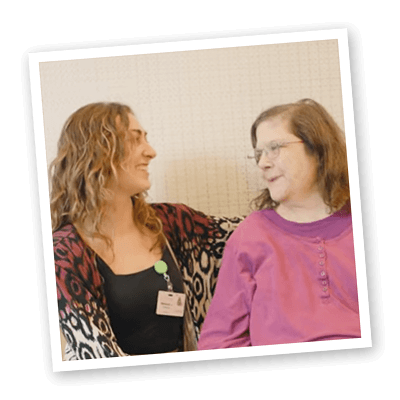
The goals of Sutton Park’s Diabetes Management & Education Program are:
- Provide each individual with the skills to manage their diabetes and decrease the risk of hospitalization from complications due to their diabetes
- To enhance each individual’s recovery and healing medically, physically, and emotionally
- Provide each individual with the skills to return home, living as independently as possible, and self-managing their diabetes.
- Empower each individual to resume the activities that made their lives complete
What services are included in your diabetes care program?
Our diabetes care program is comprehensive, combining medical monitoring, nutritional counseling, and patient education. Patients benefit from personalized treatment plans and interdisciplinary support. For those seeking diabetes care Bronx, NY patients rely on, Sutton Park provides structured, goal-oriented support designed to improve long-term health outcomes.
How do you support patients in managing their diabetes daily?
Daily support is a key part of effective diabetes care in Westchester County, NY. Patients receive guidance on glucose monitoring, medication administration, meal planning, and physical activity. Nursing staff and dietitians collaborate to create routines that fit each individual’s lifestyle, helping prevent spikes or drops in blood sugar. Education is reinforced daily, ensuring patients leave with confidence in managing their condition independently, reducing risk of hospitalization and complications.
Can you help with medication and insulin management?
Yes. Proper medication and insulin management is essential for successful care. Our team in Westchester County, NY monitors blood sugar levels, adjusts insulin doses as necessary, and educates patients on safe administration. For those seeking diabetes care Bronx, NY patients can count on, Sutton Park provides structured oversight, education, and individualized plans to support stable glucose control and safe medication use.
What nutritional guidance do you provide for diabetes patients?
Nutritional counseling is a cornerstone of diabetes care in Westchester County, NY. Licensed dietitians work closely with patients to develop meal plans that balance carbohydrate intake, protein, and healthy fats. Patients learn to count carbs, adjust portions, and plan for special occasions. By combining nutrition education with ongoing support, patients gain confidence in making choices that support long-term health, stabilize glucose, and prevent diabetes-related complications.
How is exercise incorporated into the care plan?
Physical activity is essential for managing diabetes, and our rehabilitation team in Westchester County, NY integrates safe exercise routines into diabetes care. Patients receive individualized programs tailored to their abilities. For those seeking diabetes care Bronx, NY patients depend on, Sutton Park provides structured exercise plans designed to improve insulin sensitivity, strength, and overall wellness.
Do you provide education for self-management at home?
Absolutely. Education is central to effective diabetes care in Westchester County, NY. Patients learn how to monitor glucose, administer medications, track meals, and recognize warning signs. Interactive sessions help reinforce knowledge, ensuring skills are retained after discharge. Empowering patients with education fosters independence and confidence, allowing them to maintain proper management routines at home while preventing complications.
How do you monitor and prevent complications?
Monitoring for complications is critical in diabetes care. Our team tracks blood sugar, blood pressure, and other key health indicators. Patients seeking diabetes care Bronx, NY residents depend on receive proactive monitoring and education to help prevent complications and ensure early intervention when needed.
Are family members involved in the diabetes care process?
Yes. Family involvement strengthens the success of diabetes care in Westchester County, NY. We include caregivers in education sessions, helping them understand medication, diet, and monitoring requirements. Families learn to provide support without overstepping, enabling patients to remain independent while having a safety net. Engaging family members ensures a supportive environment at home, reducing stress and improving adherence to care plans.
How do you handle patients with multiple health conditions?
Our multidisciplinary approach to diabetes care ensures coordinated treatment for patients with multiple conditions. For those seeking diabetes care Bronx, NY patients rely on, our team, which works with specialists to create integrated care plans that support overall health and reduce complications.
What makes your diabetes care program different from others?
Our program stands out because it combines expertise, compassion, and education in a single, patient-centered model. Diabetes care in Westchester County, NY focuses on long-term success, not just short-term monitoring. Patients benefit from hands-on education, interdisciplinary support, and individualized treatment plans.
How do you support transitions from hospital to home care?
We ensure smooth transitions through structured planning and follow-up. Our care in Westchester County, NY includes discharge support and coordinated care. Patients seeking diabetes care Bronx, NY patients rely on receive clear instructions and ongoing support to maintain stability after leaving a hospital setting.
Can your program accommodate elderly patients?
Yes. Elderly patients receive tailored support in diabetes care in Westchester County, NY. Age-related factors, such as mobility limitations or cognitive changes, are considered in every care plan. Nursing, therapy, and dietary staff work together to provide safe, accessible solutions.
How do you measure patient progress?
Progress is continuously tracked in our facility in Westchester County, NY through glucose levels, weight, and lifestyle adherence. Patients seeking diabetes care Bronx, NY residents depend on receive regular evaluations and updated care plans to support ongoing improvement and goal achievement.
How do you provide psychological support for patients?
Managing diabetes can be stressful, and our program includes counseling as part of diabetes care in Westchester County, NY. Patients meet with psychologists or social workers to address anxiety, depression, or stress related to their condition. Coping strategies and emotional support enhance adherence to treatment, promote motivation, and improve quality of life.
How is technology used to enhance care?
Technology enhances diabetes care through monitoring devices, telehealth, and digital tracking systems. Patients seeking diabetes care Bronx, NY patients depend on benefit from real-time monitoring tools that support daily management and improve treatment accuracy.
Can patients continue care after discharge?
Continuity of care is essential for long-term success. Our program provides comprehensive discharge planning and follow-up support to ensure patients maintain healthy routines at home. Those receiving diabetes care in Westchester County, NY receive detailed guidance, including follow-up appointments, remote monitoring options, and access to educational resources.
How quickly can patients expect to see improvements in diabetes care?
Improvement timelines vary depending on each patient’s condition, consistency with treatment, and overall health status. Some patients notice positive changes within a few weeks, while others may require more time to achieve stable results. Progress is closely monitored and care plans are adjusted as needed to ensure steady, sustainable improvement. The focus is on building long-term habits that support better blood sugar control, increased energy, and overall health stability.
What should patients bring to their first diabetes care appointment?
Patients should bring a list of current medications, recent lab results, and any relevant medical history to their first appointment. This information helps the care team develop a personalized treatment plan tailored to individual needs. It is also helpful to bring details about daily routines, diet, and any symptoms being experienced.
“Everyone here cares for the residents and aspire to create a happy and friendly environment.”
24/7 Admissions
Our Goal is to help make your transition to Sutton park as simple as possible.