

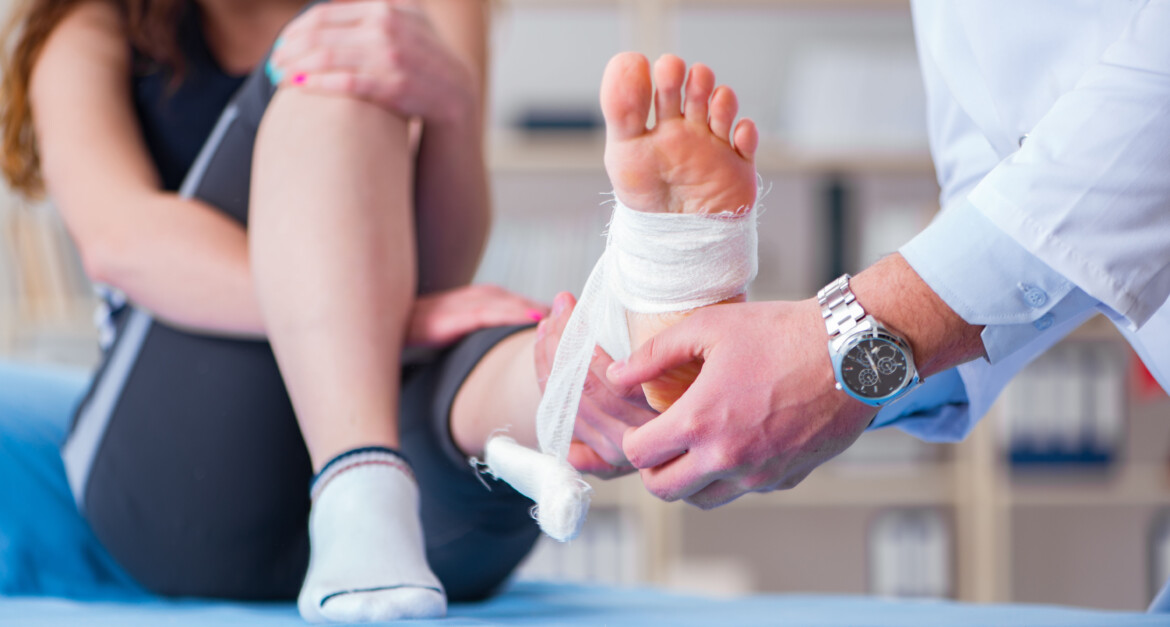
Subacute rehabilitation plays a critical role in helping patients transition from hospital care to independent living. For individuals recovering from surgery, illness, or injury, regaining function often requires more than a single type of therapy. Instead, progress depends on a coordinated, multidisciplinary approach that addresses mobility, daily living skills, and communication challenges simultaneously. This is where physical, occupational, and speech therapy intersect.
In a short-term, clinically supervised setting, these therapies are not delivered in isolation. They are integrated into a cohesive care plan designed to accelerate recovery while maintaining patient safety. Whether someone is relearning how to walk, regaining the ability to perform daily tasks, or recovering speech and swallowing function, collaboration across disciplines ensures more comprehensive outcomes. Understanding how these therapies work together can clarify why subacute rehab is so effective—and why patients benefit from receiving all three services under one roof.
Understanding the Role of Physical Therapy in Recovery
Physical therapy focuses on restoring movement, strength, balance, and endurance. After a hospitalization or major medical event, patients often experience muscle weakness, limited mobility, and reduced cardiovascular capacity. Physical therapists assess these deficits and create structured programs to rebuild function safely.
A well-designed physical therapy rehab plan typically includes exercises for strength training, gait retraining, and balance improvement. Therapists also work to reduce pain and prevent complications such as falls or joint stiffness. For many patients, this is the foundation of recovery—without mobility, independence is difficult to achieve.
The demand for this expertise continues to grow. According to the Bureau of Labor Statistics, about 259,200 individuals were working as physical therapists across the United States as of 2023, highlighting the scale and importance of this field in modern healthcare. In a subacute setting, physical therapists collaborate closely with other clinicians to ensure that mobility gains translate into real-world function.
Enhancing Daily Function Through Occupational Therapy
While physical therapy focuses on movement, occupational therapy addresses how that movement is used in everyday life. Occupational therapists help patients regain the ability to perform essential activities such as dressing, bathing, cooking, and managing medications. These tasks—known as activities of daily living (ADLs)—are critical for independence.
Occupational therapy bridges the gap between clinical improvement and practical application. For example, a patient may regain strength through physical therapy rehab, but still struggle to safely get in and out of the shower. Occupational therapists step in to refine these functional skills, often introducing adaptive techniques or assistive devices.
In a subacute rehab environment, occupational therapists also assess cognitive and visual-perceptual skills. This is particularly important for patients recovering from strokes or neurological conditions. By addressing both physical and cognitive barriers, occupational therapy ensures that progress made during physical therapy rehab is meaningful and sustainable in real-life settings.
Restoring Communication and Swallowing Through Speech Therapy
Speech therapy is often misunderstood as focusing solely on verbal communication, but its scope is much broader. Speech-language pathologists work with patients who have difficulty speaking, understanding language, swallowing, or even processing information.
In subacute rehab, speech therapy is essential for patients recovering from strokes, traumatic brain injuries, or prolonged intubation. Therapists may address speech clarity, language comprehension, memory, and problem-solving skills. They also play a critical role in diagnosing and treating swallowing disorders (dysphagia), which can pose serious health risks if left unmanaged.
The integration of speech therapy with physical therapy rehab and occupational therapy ensures that patients are not only physically capable but also able to communicate their needs and safely consume food and liquids. This comprehensive approach reduces complications and improves overall quality of life.
Coordinating Interdisciplinary Care for Better Outcomes
The true strength of subacute rehabilitation lies in coordination. Rather than working independently, physical, occupational, and speech therapists collaborate to create unified care plans tailored to each patient’s goals and medical condition.
For example, a patient recovering from a stroke may participate in physical therapy rehab to improve walking ability, occupational therapy to relearn dressing techniques, and speech therapy to regain communication skills. These therapies are scheduled and aligned strategically so that progress in one area reinforces gains in another.
Interdisciplinary team meetings are a key component of this process. During these sessions, therapists share insights, adjust treatment plans, and ensure that care remains patient-centered. This level of coordination minimizes redundancy, reduces recovery time, and enhances overall outcomes.
Accelerating Functional Independence Through Combined Therapies
One of the primary goals of subacute rehab is to help patients return to their prior level of function—or as close to it as possible. Combining therapies accelerates this process by addressing multiple aspects of recovery simultaneously.
For instance, improvements achieved during physical therapy rehab can be immediately applied during occupational therapy sessions, reinforcing learning and building confidence. Similarly, speech therapy can enhance cognitive function, which supports safer participation in both physical and occupational activities.
This integrated model creates a feedback loop where progress in one domain strengthens outcomes in others. Patients often experience faster gains in mobility, improved ability to perform daily tasks, and better communication skills—all of which contribute to a smoother transition back home.
Addressing Complex Medical Needs in a Structured Setting
Subacute rehab is particularly valuable for patients with complex medical needs. These individuals may require ongoing monitoring, medication management, and skilled nursing care in addition to therapy services.
In this environment, physical therapy rehab is delivered alongside medical oversight, ensuring that patients can safely participate in treatment. Occupational and speech therapists also benefit from this structure, as they can adapt interventions based on real-time clinical updates.
This level of support is especially important for patients recovering from surgeries, cardiac events, or neurological conditions. The combination of skilled nursing and interdisciplinary therapy allows for a higher intensity of care without the need for prolonged hospitalization.
Supporting Patient Engagement and Motivation Throughout Recovery
Recovery is not just physical—it is also psychological. Patients who feel supported and engaged are more likely to adhere to therapy programs and achieve better outcomes. Subacute rehab settings are designed to foster this engagement through personalized care and consistent encouragement.
Therapists across all disciplines play a role in maintaining motivation. Physical therapy rehab sessions are structured to show measurable progress, while occupational therapy focuses on meaningful daily activities that resonate with patients. Speech therapy often helps patients regain the ability to express themselves, which can significantly boost confidence.
By working together, therapists create a supportive environment that keeps patients focused on their goals. This collaborative approach not only improves clinical outcomes but also enhances the overall rehabilitation experience.
Preparing Patients for a Safe and Sustainable Return Home
The ultimate objective of subacute rehab is to prepare patients for life beyond the facility. This involves more than just clinical improvement—it requires ensuring that patients can function safely and independently in their home environment.
Physical therapy rehab helps patients navigate stairs, uneven surfaces, and other real-world challenges. Occupational therapy focuses on home safety, often recommending modifications or assistive devices. Speech therapy ensures that patients can communicate effectively and manage cognitive demands.
Discharge planning is a coordinated effort, with all therapists contributing to the process. By the time patients leave subacute rehab, they have not only improved physically but also gained the skills and confidence needed to maintain their independence.
Subacute rehabilitation is most effective when physical, occupational, and speech therapy are delivered as an integrated system rather than separate services. Each discipline addresses a distinct aspect of recovery, but their combined impact is what drives meaningful, lasting outcomes. From rebuilding strength and mobility to restoring daily function and communication, this collaborative approach ensures that patients receive comprehensive care tailored to their needs.
For individuals recovering from illness, injury, or surgery, choosing a facility that offers coordinated therapy services can make a measurable difference in recovery time and quality of life. If you or a loved one is navigating the transition from hospital to home, we encourage you to consider a setting that prioritizes interdisciplinary care. At Sutton Park Center for Nursing & Rehabilitation, we provide short-term, subacute rehab with integrated physical therapy rehab, occupational therapy, speech therapy, and skilled nursing—all designed to help you recover efficiently and return home with confidence.